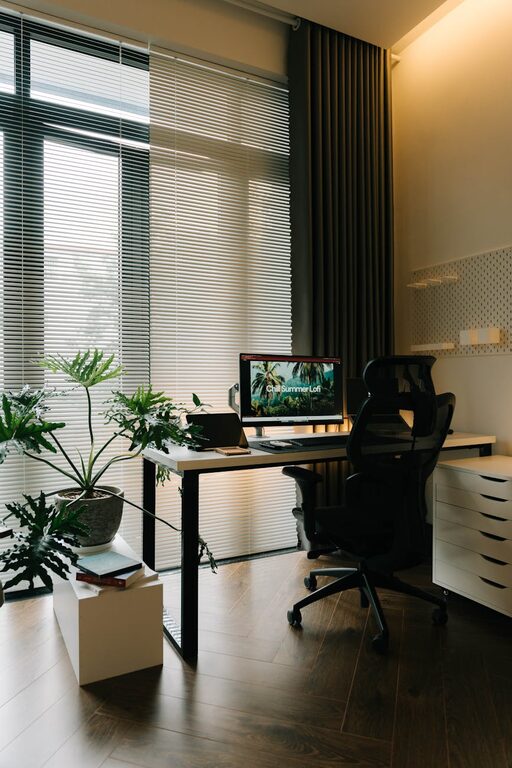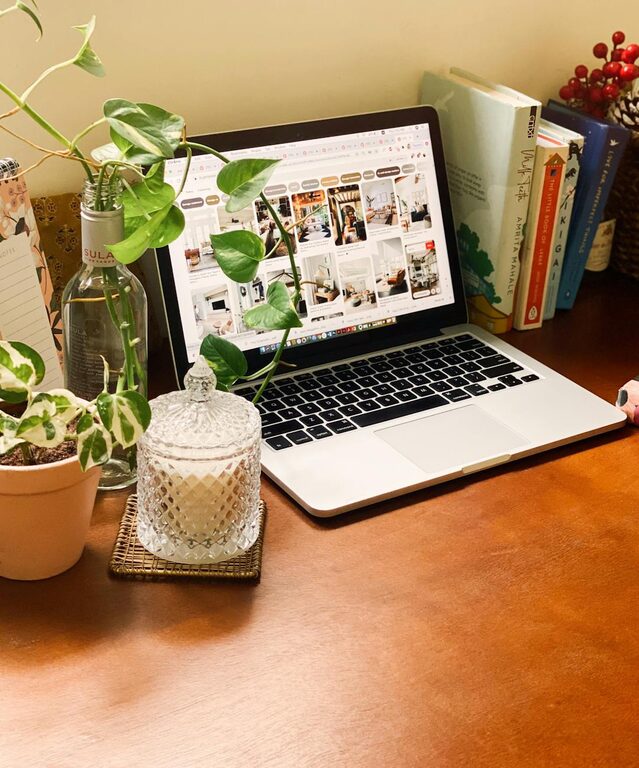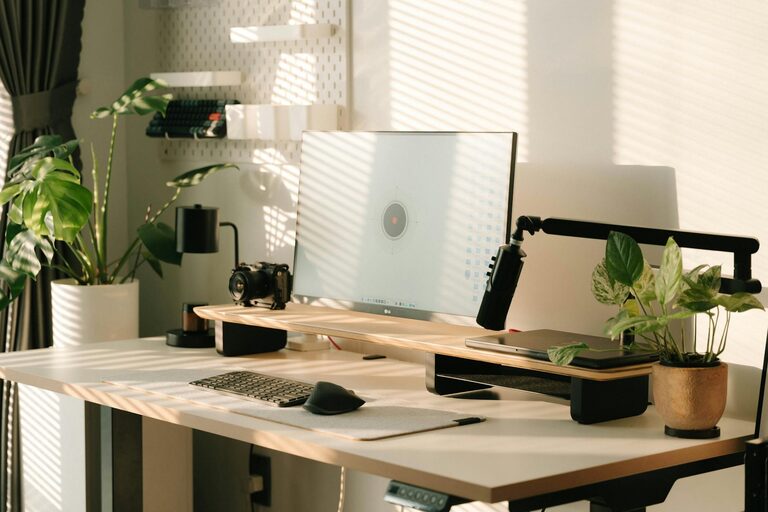
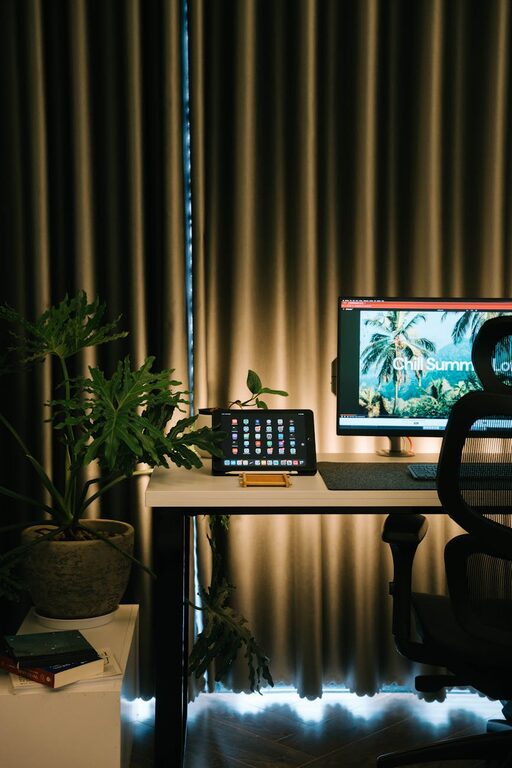
Creating a home office that is both cozy and productive can make a significant difference in how you work and feel throughout the day. Whether you are working remotely full-time or occasionally handling tasks from home, your workspace should inspire focus while providing comfort. In this guide, we’ll explore practical tips for designing a home office that supports your work and enhances your well-being.
Why a Cozy and Productive Workspace Matters
A well-designed home office can improve concentration, reduce stress, and even promote better posture. When your workspace feels welcoming and is organized for efficiency, you’re more likely to enjoy your workday and produce your best results.
Choose the Right Location
Start by selecting a spot in your home that suits your work style:
– Natural Light: If possible, pick a space near a window. Natural light boosts mood and energy.
– Quiet Zone: Choose a quiet area away from distractions like TV or noisy household activities.
– Space Enough: Ensure there’s enough room for your desk, chair, and any tools or equipment you need.
Invest in Comfortable Furniture
Comfort is key to staying productive and avoiding aches:
– Ergonomic Chair: Look for adjustable chairs that support your lower back.
– Desk Size: Your desk should be big enough for your computer, documents, and any essentials without clutter.
– Flexible Options: Consider a sit-stand desk for variety in posture during the day.
Organize Your Space Efficiently
Clutter can reduce productivity and increase stress. Keep your home office organized with these ideas:
– Storage Solutions: Use shelves, drawers, or filing cabinets to keep paperwork and supplies tidy.
– Cable Management: Tidy cords with clips or cable sleeves to create a clean look.
– Desktop Minimalism: Only keep items you use daily on your desk.
Personalize Without Overdoing It
Adding personal touches can make your space more inviting but avoid overcrowding:
– Plants: Small indoor plants add freshness and improve air quality.
– Artwork: Choose calming or inspiring artwork that lifts your mood.
– Colors: Soft, neutral tones create a relaxing atmosphere, while pops of color can energize.
Improve Lighting
Proper lighting reduces eye strain and improves alertness:
– Task Lighting: Use a desk lamp for focused work.
– Ambient Lighting: Combine ceiling lights with softer lamps to avoid harsh shadows.
– Adjustable Lighting: Dimmer switches or adjustable lamps let you control brightness based on your needs.
Manage Noise and Distractions
Minimize interruptions to stay focused:
– Noise-Canceling Headphones: Useful if your home can be noisy.
– White Noise Machines or Apps: These can mask background sounds with soothing noise.
– Clear Boundaries: Set expectations with family or roommates about your work hours.
Develop a Routine
Creating habits around your workspace promotes productivity:
– Set Working Hours: Try to start and end your day at consistent times.
– Breaks: Take regular breaks to stretch and rest your eyes.
– End-of-Day Ritual: Tidy your desk and plan tasks for tomorrow to mentally close your workday.
Keep Technology Updated and Efficient
Ensure your devices help rather than hinder your work:
– Reliable Internet: A strong internet connection is essential.
– Up-to-Date Software: Keep your programs and security software current.
– Accessories: Invest in quality peripherals like a mouse, keyboard, or monitor that improve comfort.
Stay Inspired and Motivated
Keep your work environment a place you look forward to:
– Vision Board: Display goals or motivational quotes.
– Music or Background Sounds: Listen to what helps you focus, whether it’s instrumental music or nature sounds.
– Regular Refresh: Occasionally update or rearrange your space to keep it feeling fresh.
—
Creating a cozy and productive home office is about balancing comfort with functionality. By thoughtfully selecting your location, furniture, and organization, and adding personal touches, you can transform your home workspace into a place that supports your success and well-being every day.