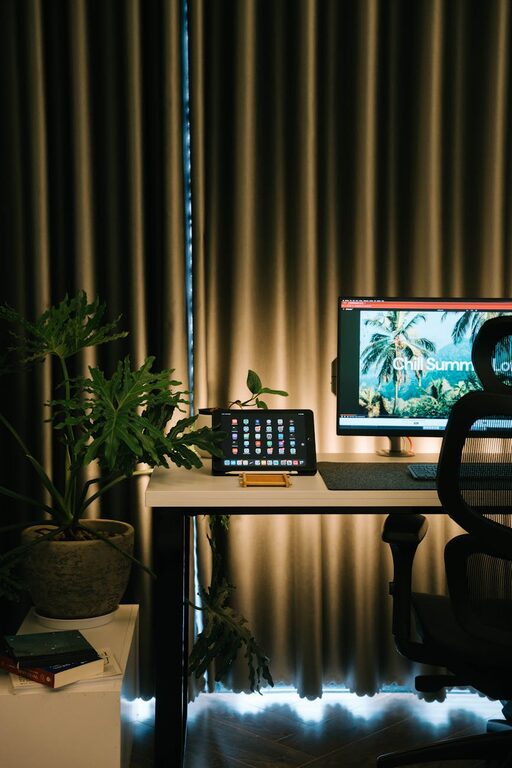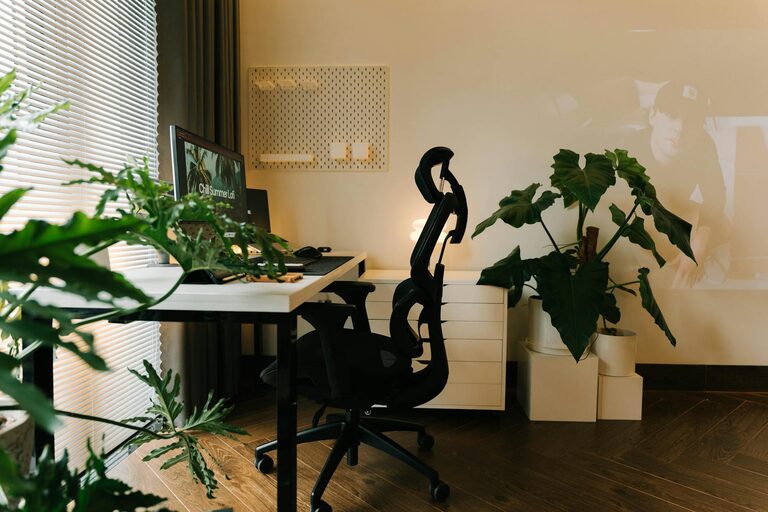
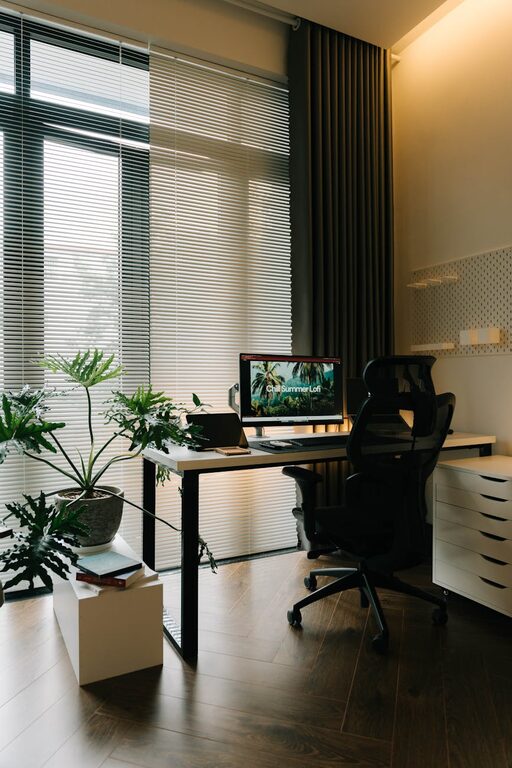
Creating a relaxing home office environment is essential for maintaining productivity and well-being, especially as more people work remotely. A calm workspace can help reduce stress, keep you focused, and make working from home a more enjoyable experience. Whether you have a dedicated room or a small corner in your living room, there are simple steps you can take to transform your space.
Choose the Right Location
Finding the best spot for your home office sets the foundation for a relaxing workspace.
– Natural Light: Aim for a space near a window to enjoy natural light, which can boost mood and energy.
– Quiet Area: Pick a quiet zone away from household noise to help you concentrate.
– Enough Space: Make sure there’s enough room for your desk, chair, and any necessary equipment without feeling cramped.
Invest in Comfortable Furniture
Comfort is key for long hours at your desk.
– Ergonomic Chair: Select a chair with good back support and adjustable features.
– Appropriate Desk Height: Your desk should allow your arms to rest comfortably at about a 90-degree angle.
– Additional Seating: If space permits, consider a small cozy chair for breaks or reading.
Keep It Organized and Clutter-Free
A tidy space encourages a calm mind and efficient workflow.
– Storage Solutions: Use shelves, drawers, and organizers to keep supplies in order.
– Daily Declutter: Spend a few minutes each day tidying your desk to avoid buildup.
– Cable Management: Use clips or sleeves to keep wires neat and out of sight.
Personalize Your Workspace
Adding personal touches can make your office feel inviting without causing distractions.
– Plants: Incorporate greenery such as succulents or small potted plants to freshen the air and add color.
– Inspirational Items: Display photos, artwork, or quotes that motivate you.
– Soft Textures: Use cushions or rugs to soften the space and enhance comfort.
Optimize Lighting
Good lighting prevents eye strain and keeps you alert.
– Combine Natural and Artificial Light: Use a desk lamp with adjustable brightness alongside natural light.
– Avoid Glare: Position your monitor and light sources to prevent reflections.
– Warm Light Bulbs: Choose bulbs that create a warm, inviting atmosphere, which can be less tiring than harsh fluorescents.
Control Noise Levels
Maintaining a peaceful environment is vital for concentration.
– Use Noise-Canceling Headphones: These can block out distractions in a noisy household.
– Soft Background Music: Gentle instrumental or ambient tracks can aid focus without being disruptive.
– Soundproofing: Add rugs, curtains, or wall panels that absorb sound to reduce echoes.
Incorporate Break Areas and Movement
Taking breaks and moving around prevents fatigue.
– Stretch Zones: Leave space beside your desk for stretching or short exercises.
– Breakaway Spots: Create a small area with a comfy chair or bean bag where you can relax away from your desk.
– Set Reminders: Use timers to prompt you to stand, stretch, or walk periodically.
Maintain Air Quality and Temperature
A fresh, well-ventilated room helps you feel alert and comfortable.
– Open Windows: When possible, let fresh air circulate.
– Air Purifiers: Consider devices that clean the air if your space is enclosed.
– Temperature Control: Use fans, heaters, or air conditioners to keep the room at a comfortable temperature.
Use Calming Colors and Decor
Colors impact mood and productivity.
– Neutral and Soft Tones: Shades like blues, greens, or beiges promote relaxation.
– Minimal Patterns: Keep patterns simple to avoid visual overstimulation.
– Natural Materials: Wood, stone, or woven fabrics can add warmth and texture.
—
By paying attention to these details, you can create a workspace that not only supports your productivity but also nurtures your well-being. A relaxing home office helps set boundaries between work and home life, making your workdays more enjoyable and less stressful. Take time to personalize and refine your space as your needs evolve, and remember that comfort and simplicity often make the biggest difference.