Working from home has become a common part of many people’s daily lives. Whether you’re a freelancer, remote employee, or simply need a dedicated space for tasks, having a well-designed home office is important. The right environment can not only make your work more productive but also more enjoyable and comfortable.
In this post, we’ll explore easy and effective ways to create a cozy and productive home office space.
1. Choose the Right Location
Choosing where to set up your home office is the first step in creating a productive space.
– Quiet and private area: Look for a spot in your home with minimal noise and foot traffic to reduce distractions.
– Natural light: If possible, position your desk near a window. Natural light helps improve mood and focus.
– Space to spread out: Make sure there’s enough room for your computer, documents, and any tools you need.
2. Invest in Comfortable Furniture
Comfort is key when you’ll be spending many hours working.
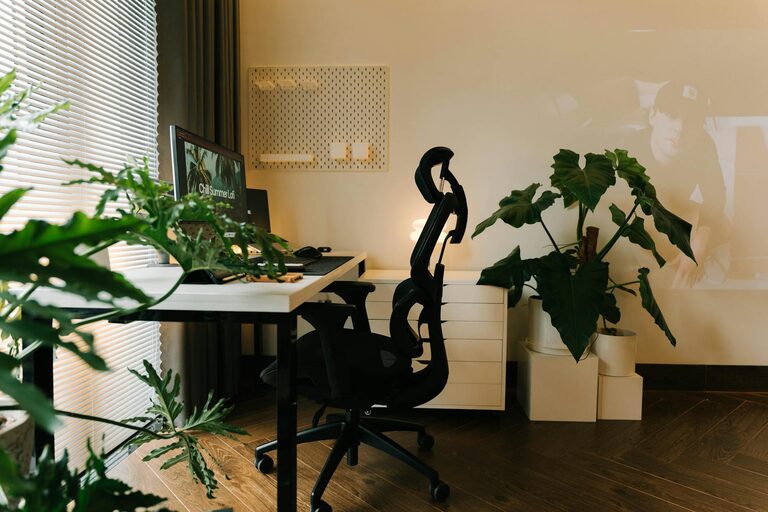
– Ergonomic chair: A chair that supports your back and encourages good posture helps prevent discomfort and fatigue.
– Desk options: Depending on your preference, choose a desk with enough surface area and the right height. Standing desks can also be a great alternative.
– Adjustable accessories: Consider keyboard trays or monitor stands to customize your workspace arrangement.
3. Optimize Lighting for Comfort and Focus
Good lighting reduces eye strain and keeps you alert.
– Layered lighting: Combine overhead lights with task lighting, such as a desk lamp.
– Avoid glare: Position screens to prevent reflections and reduce eye fatigue.
– Warm vs. cool tones: Cool white light helps keep you awake and focused during work hours, while warmer light can create a cozy feel for breaks.
4. Keep Your Space Organized
Clutter can be distracting and reduce efficiency.
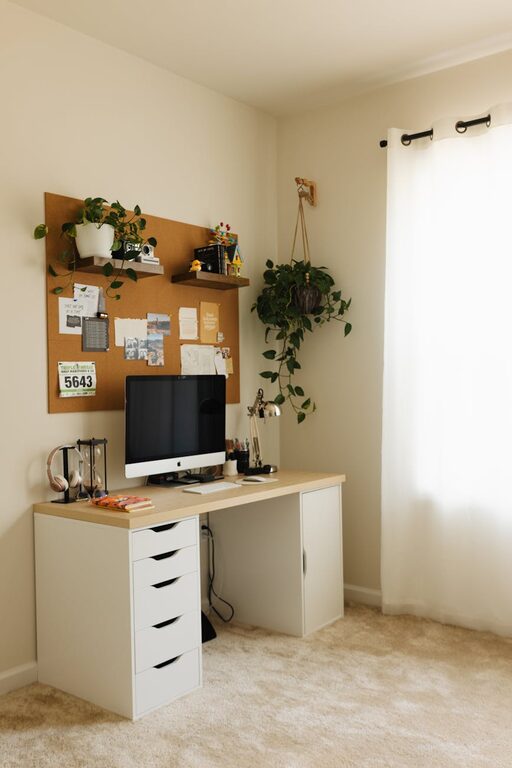
– Storage solutions: Use shelves, filing cabinets, or storage boxes to keep paperwork and supplies organized.
– Daily tidying: Make it a habit to clear your desk at the end of each day.
– Cable management: Use clips or cable organizers to prevent wires from tangling and cluttering your workspace.
5. Personalize Your Environment
Adding personal touches can make your home office inviting and motivating.
– Inspiring decor: Choose artwork or photos that make you feel happy and uplifted.
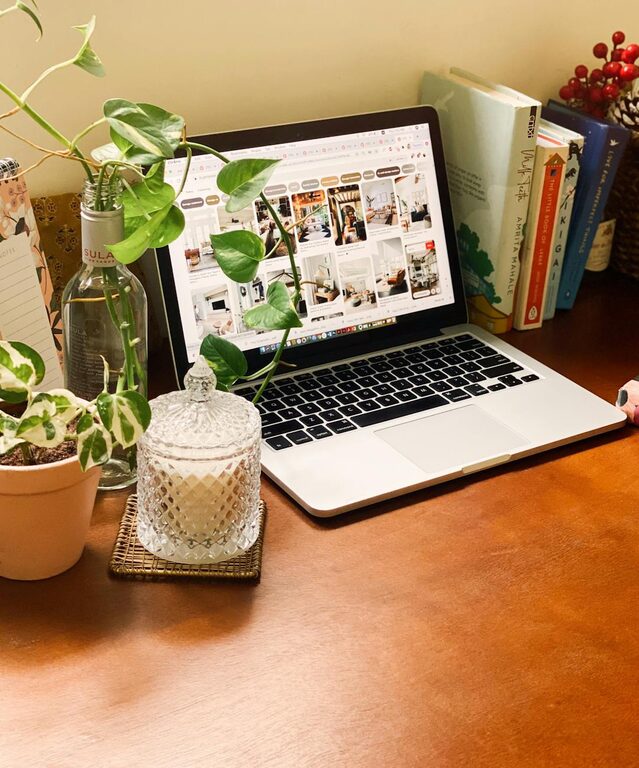
– Plants: Adding greenery can improve air quality and bring a sense of calm.
– Comfort items: Soft throw blankets, cushions, or a cozy rug can make your space feel warm.
6. Minimize Distractions
It’s important to create boundaries while working from home.
– Designated work hours: Establish clear times to focus on work and times to take breaks.
– Signal boundaries: Use a sign or door indicator if you share your home with others to know when it’s best not to be disturbed.
– Silence notifications: Turn off unnecessary phone or computer alerts during deep work sessions.
7. Incorporate Technology Wisely
Technology is a helpful tool but can also be overwhelming if not managed well.
– Reliable internet: Make sure your connection is steady to avoid interruptions.
– Necessary tools: Choose apps and software that help with productivity, such as task managers or calendar apps.
– Avoid overloading gadgets: Keep your workspace free from too many devices to maintain focus.
8. Plan for Breaks and Movement
Even in a cozy office, staying seated for too long isn’t ideal.
– Scheduled breaks: Use timers or reminders to step away from your desk regularly.
– Stretching exercises: Simple stretches or short walks can boost energy and relieve tension.
– Change workspace: If possible, have a separate area where you can take breaks for better work-life separation.
9. Pay Attention to Air Quality and Temperature
Comfort depends not only on furniture and lighting but also on the room’s atmosphere.
– Ventilation: Open windows occasionally to let in fresh air.
– Temperature control: Keep the room at a comfortable temperature, neither too hot nor too cold.
– Air purifiers: If your home tends to get dusty, an air purifier can improve comfort and focus.
10. Review and Adapt Regularly
Your needs may change over time, so it’s useful to check and adjust your space regularly.
– Assess what works: Notice if you feel comfortable, focused, and motivated.
– Make small changes: Swap out furniture, lighting, or accessories as needed to keep your environment fresh.
– Ask for feedback: If you share your workspace with others, consider their input to improve the shared area.
—
Creating a cozy and productive home office doesn’t require a huge investment or a perfect setup overnight. By focusing on comfort, organization, and personalization, you can build a space that supports your work and wellbeing every day. Take the time to design a place that you enjoy and that helps you do your best work.