Creating a cozy and inviting home workspace can make a significant difference in how you feel about working from home. Whether you have a dedicated room or a small corner, designing a space that blends comfort and functionality helps increase focus, reduce stress, and improve productivity. In this post, we’ll explore practical tips to transform your workspace into a welcoming environment where you enjoy spending time.
Why a Cozy Workspace Matters
Spending hours daily in your work area means the surroundings affect your mood and motivation. A cozy space doesn’t just look nice — it supports your well-being by reducing distractions and making work feel less like a chore. When your workspace is inviting, you’re more likely to stick to your schedule and maintain enthusiasm for your tasks.
—
Choose the Right Location
Before adding decorations or furniture, start with the location.
– Natural Light: Position your desk near a window if possible. Natural light improves mood and reduces eye strain.
– Quiet Spot: Select an area away from everyday household noise to help maintain focus.
– Visibility: Decide if you prefer an open view or a more secluded nook to minimize distractions.
—
Invest in Comfortable Furniture
Comfort is key to creating a workspace where you want to spend time.
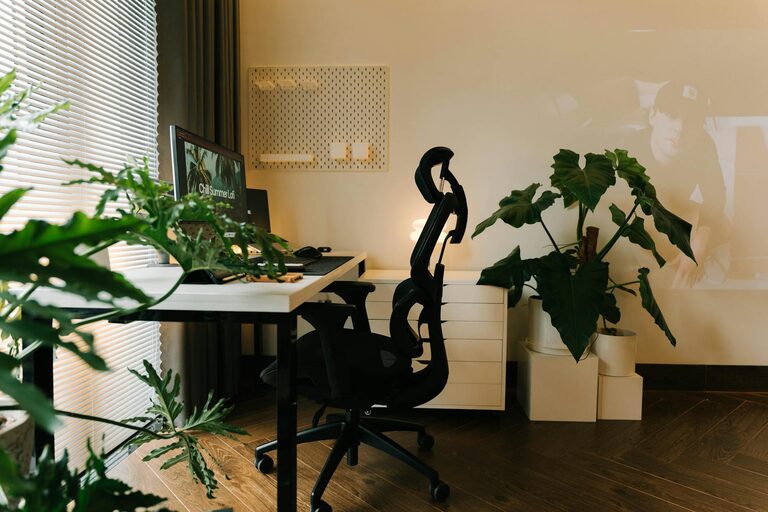
– Ergonomic Chair: Choose a chair that supports your posture and can be adjusted to your needs.
– Desk Height: Make sure your desk or table is at a comfortable height for typing and writing.
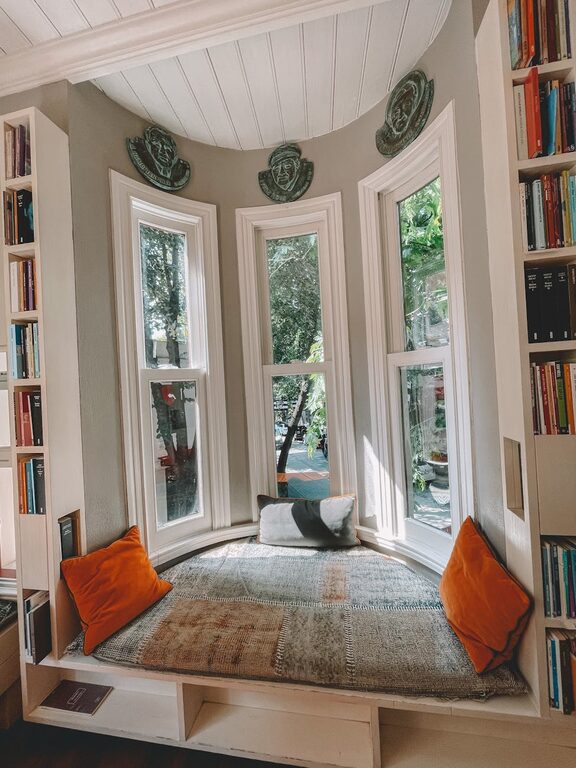
– Additional Seating: If space allows, add a small armchair or cushions where you can take breaks or brainstorm.
—
Add Personal Touches
Personalizing your workspace can make it feel more inviting and uniquely yours.
– Artwork and Photos: Hang prints, paintings, or photos that inspire you or make you happy.
– Plants: Indoor plants add life and color, improve air quality, and create a calming vibe.
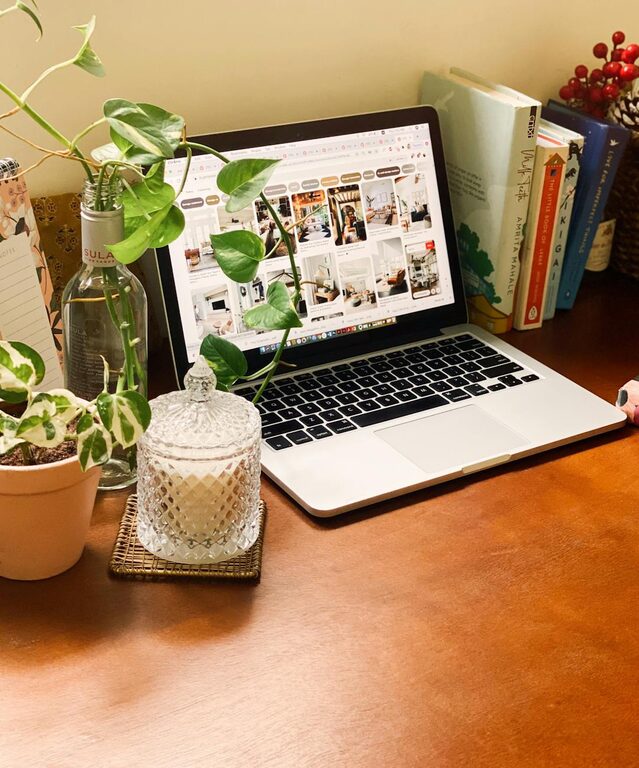
– Decorative Items: Use items like candles, a decorative clock, or meaningful trinkets to add warmth.
—
Organize with Style
Clutter can make your workspace stressful. Organization helps you stay productive and keeps the area visually pleasing.
– Storage Solutions: Use shelves, baskets, or drawer organizers to keep supplies tidy.
– Cable Management: Keep cables neat with clips or sleeves to avoid mess.
– Desk Layout: Keep frequently used items within reach but avoid overcrowding your desk.
—
Optimize Lighting
Good lighting supports work efficiency and comfort.
– Task Lighting: Use a desk lamp with adjustable brightness to reduce eye strain.
– Warm Bulbs: Choose lighting with warm tones for a cozy atmosphere.
– Avoid Glare: Position screens and lamps to minimize reflections and glare.
—
Incorporate Calming Colors
Color influences mood. Choose soothing shades that make your workspace feel peaceful.
– Soft Neutrals: Light grays, beiges, or off-whites create a clean and calming backdrop.
– Pops of Color: Add accents in blues, greens, or muted earth tones for a relaxing effect.
– Avoid Overly Bright Colors: Bright reds or yellows can be distracting for some.
—
Build a Routine-Friendly Space
Make your workspace support your daily habits.
– Keep Essentials Handy: Have your planner, water bottle, or snacks nearby.
– Comfort Items: Include a cozy throw blanket or a supportive cushion.
– Inspiration Board: Create a space where you can pin goals, reminders, or motivational quotes.
—
Minimize Distractions
Try these steps to keep your focus sharp.
– Silence Notifications: Use “Do Not Disturb” settings on devices while working.
– Noise Control: Consider noise-canceling headphones or a white noise machine if needed.
– Clear Boundaries: If others share your space, set clear boundaries about work time.
—
Final Thoughts
Designing a cozy and inviting home workspace is all about balancing comfort and productivity. Start small by improving lighting or adding a plant, then gradually tailor your environment to fit your style and work habits. Remember, the goal is to make your home office a space you enjoy being in — a place that encourages creativity, focus, and relaxation all at once.
By implementing these tips, you’ll create a space that supports your work and nurtures your well-being every day. Happy decorating!